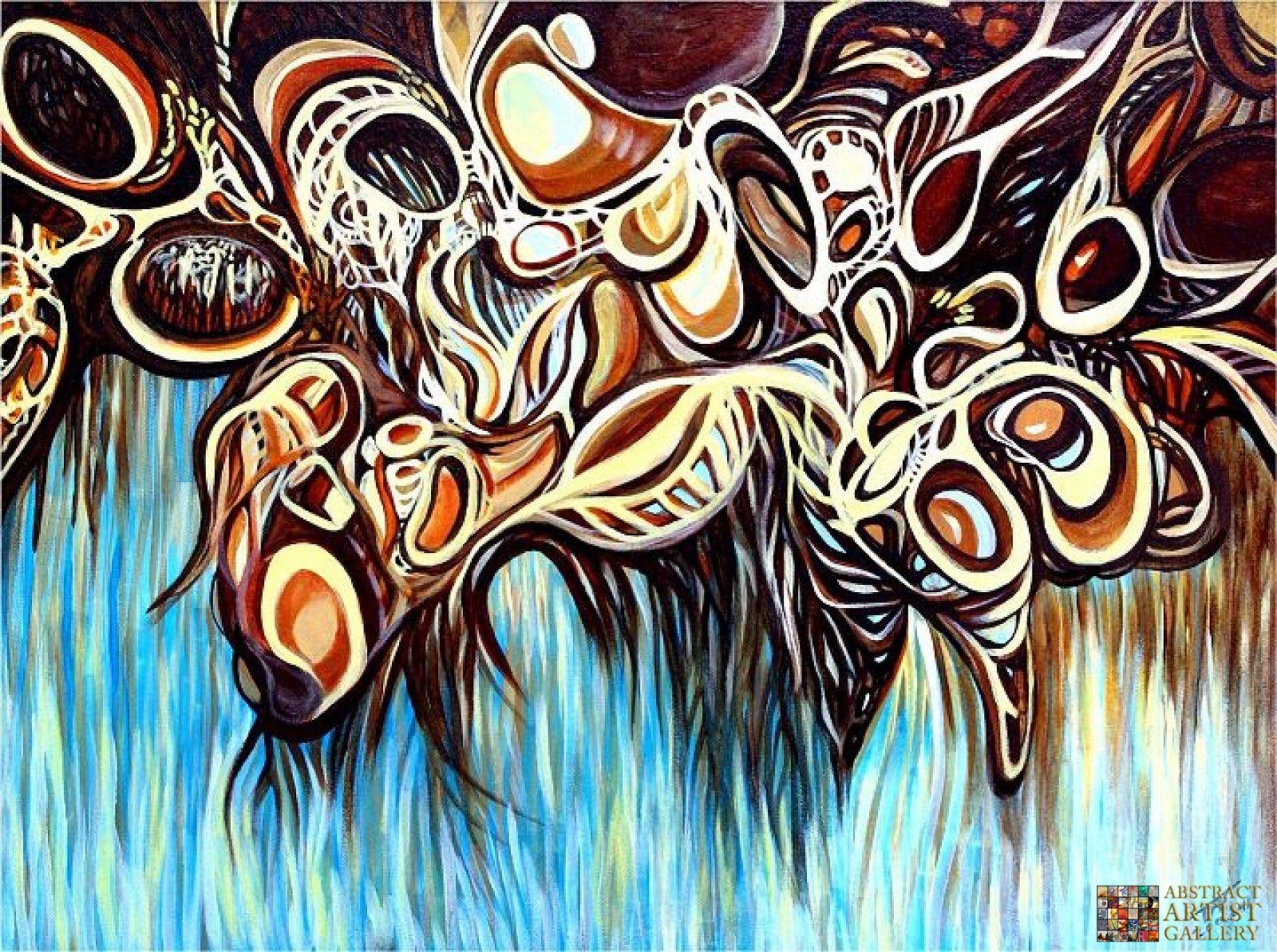
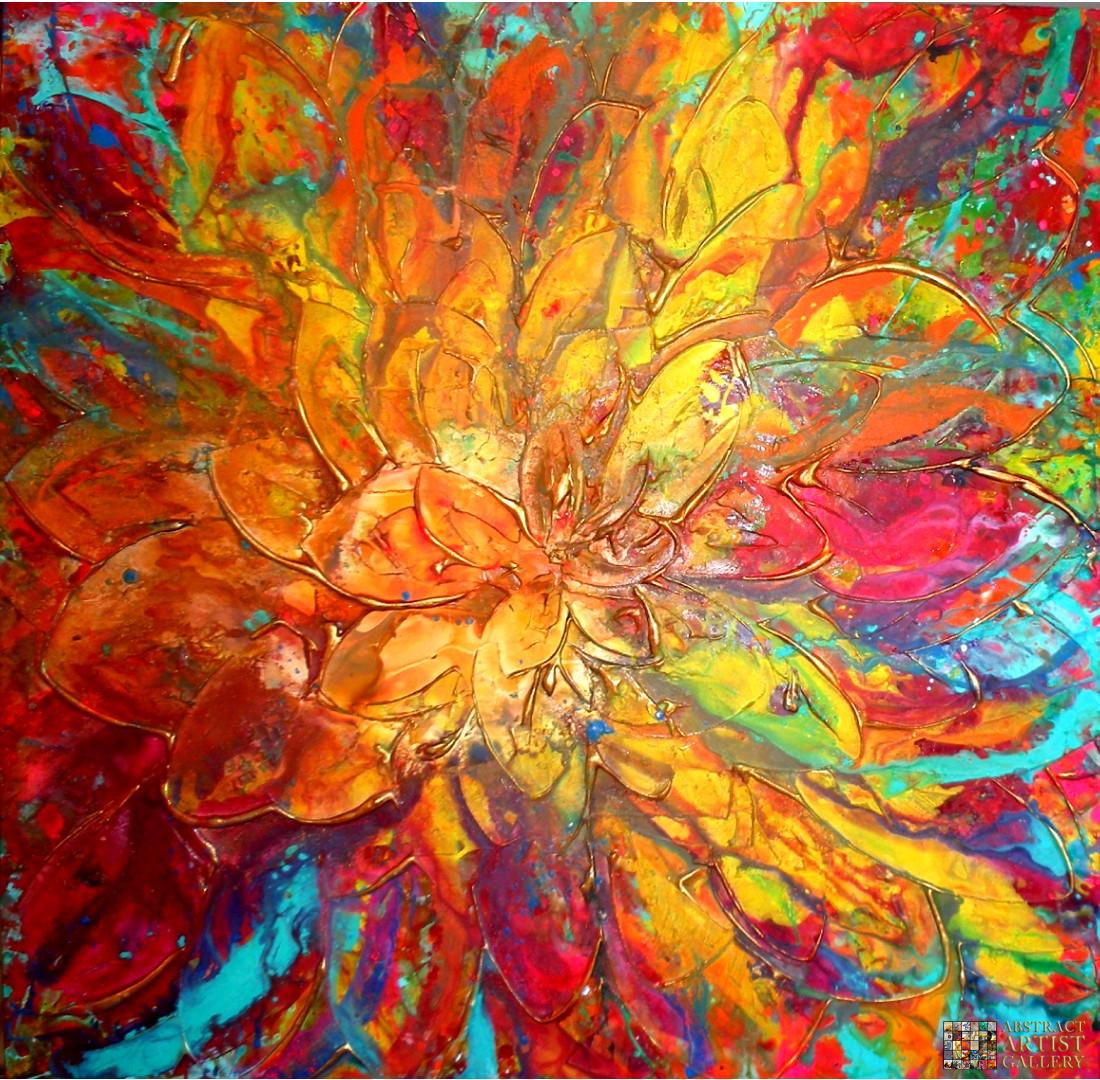
The colours in this are very vibrant, this gives me inspiration for my work.
Monday, 17 November 2014
Abstract work inspiration for peace room.
Saturday, 15 November 2014
Surrealism- LSG
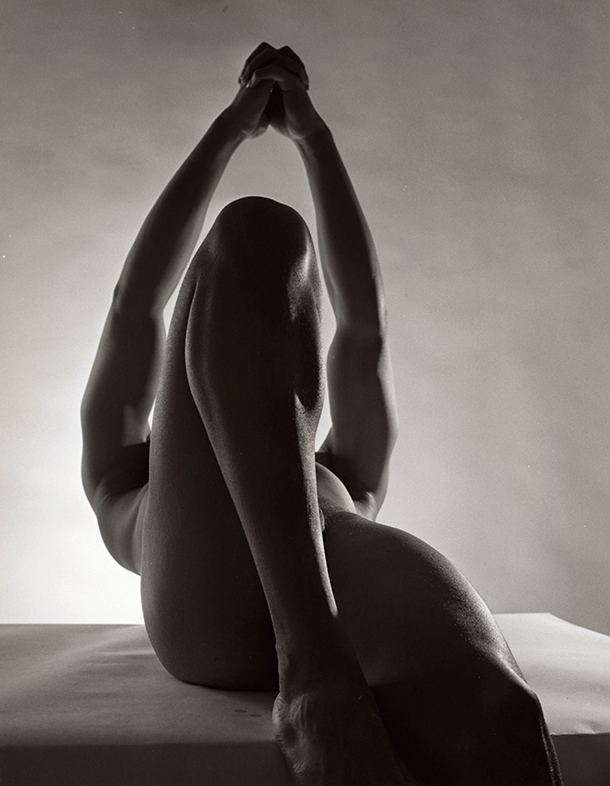
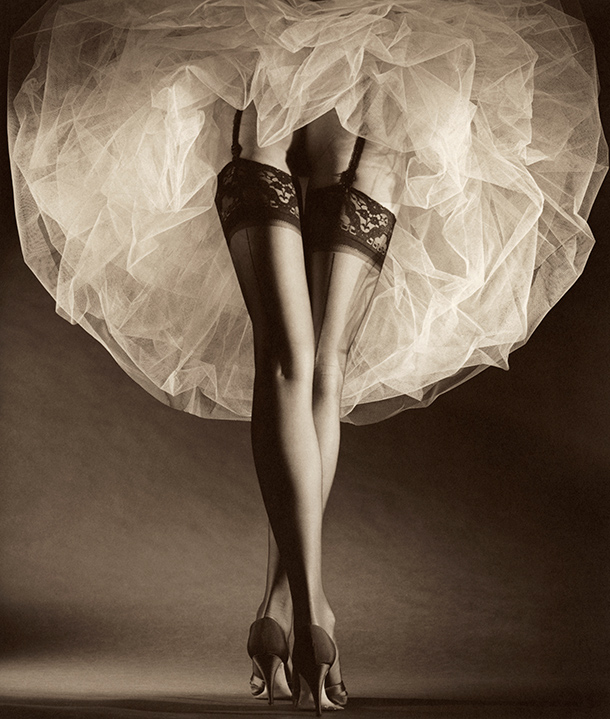
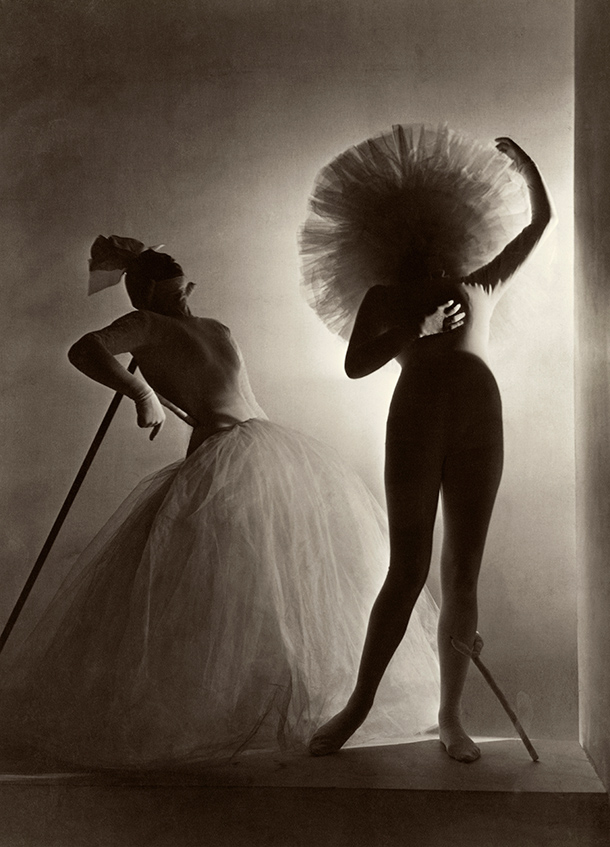
Here are some images i have found in relation to our LSG work, for our second design we are looking into surrealism, here are some images that will help me in my research. Slavador Dali was a highly famous surrealist artist, some of his work is included in these pictures.
Tuesday, 11 November 2014
Latest skeleton drawing.
This is my latest skeleton drawing, I think that this is the best one I have done and looking back at my work I have really seen the progress I have made wich proves that practice makes perfect, I really like my line work in this and I am very proud of this.
The Tate modern.
Thomas Hirschhorn and Germaine Richier
Opening the Transformed Visions wing are two sculptures that explore the hybridisation of the body.
The central room in this wing looks at the tension between the bodily and the abstract in the art of the 1950s. Living through the physical, moral and humanitarian crises that followed the Second World War, artists were faced with the dilemma of how to make art in the shadow of catastrophe. Wary of false idealisms, some artists engaged more closely with the physical materials of art-making, while others focused on the body as a site for transformation. The surrounding galleries examine ways in which the figure has continued to be the bearer of meaning, protest or renewal in the face of conflict and disaster. There are also several rooms devoted to the elegiac and sublime, with immersive works in which form and colour allow direct emotional engagement
I think that this will influence me in my assignment for 3D as he is very similar to alberto glacometti work that I have already researched.
Opening the Transformed Visions wing are two sculptures that explore the hybridisation of the body.
The central room in this wing looks at the tension between the bodily and the abstract in the art of the 1950s. Living through the physical, moral and humanitarian crises that followed the Second World War, artists were faced with the dilemma of how to make art in the shadow of catastrophe. Wary of false idealisms, some artists engaged more closely with the physical materials of art-making, while others focused on the body as a site for transformation. The surrounding galleries examine ways in which the figure has continued to be the bearer of meaning, protest or renewal in the face of conflict and disaster. There are also several rooms devoted to the elegiac and sublime, with immersive works in which form and colour allow direct emotional engagement
I think that this will influence me in my assignment for 3D as he is very similar to alberto glacometti work that I have already researched.
The V&A museum
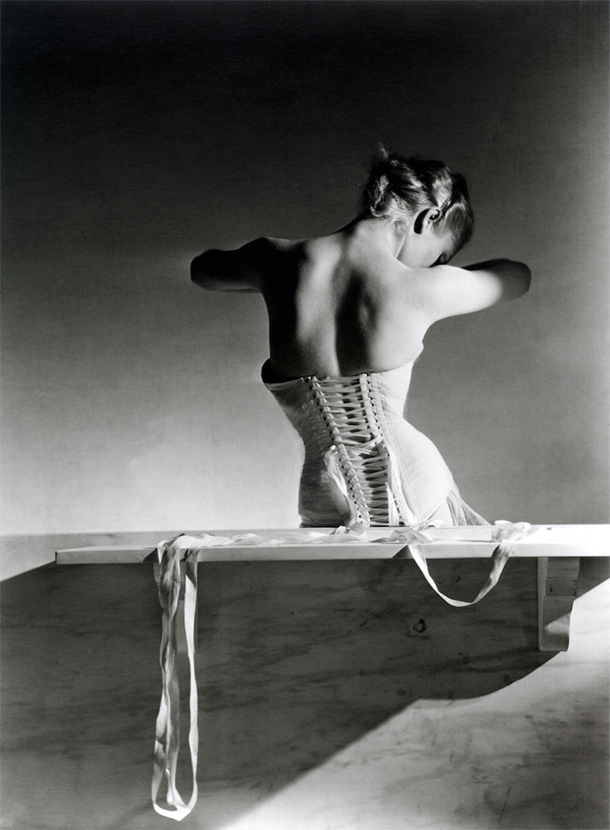
Thttp://www.vam.ac.uk/content/exhibitions/exhibition-horst-photographer-of-style/about-the-exhibition/ Here is a certain collection of art I would like to view, it is the Horst exhibition, this is a group of photos form the photographer Horst P. Horst , I really think this would help me in my 3D sections as our assignment is the human form and portraiture.
The Surrealist art movement explored unique ways of interpreting the world, turning to dreams and the unconscious for inspiration. During the 1930s Surrealism escaped its radical avant-garde roots and transformed design, fashion, advertising, theatre and film.
Horst’s photographs of this period feature mysterious, whimsical and surreal elements combined with his classical aesthetic. He created trompe l’oeil still lifes, photographed the surreal-infused dress designs of his friend Elsa Schiaparelli and collaborated with the artist Salvador DalĂ. He shared with the Surrealists a fascination with the representation of the female body, often fragmenting and eroticising the human form in his images.
His most celebrated photograph of the era is Mainbocher Corset (1939). Decades after the photograph was made, Main Bocher himself expressed his admiration for Horst’s virtuosity, writing,
The Surrealist art movement explored unique ways of interpreting the world, turning to dreams and the unconscious for inspiration. During the 1930s Surrealism escaped its radical avant-garde roots and transformed design, fashion, advertising, theatre and film.
Horst’s photographs of this period feature mysterious, whimsical and surreal elements combined with his classical aesthetic. He created trompe l’oeil still lifes, photographed the surreal-infused dress designs of his friend Elsa Schiaparelli and collaborated with the artist Salvador DalĂ. He shared with the Surrealists a fascination with the representation of the female body, often fragmenting and eroticising the human form in his images.
His most celebrated photograph of the era is Mainbocher Corset (1939). Decades after the photograph was made, Main Bocher himself expressed his admiration for Horst’s virtuosity, writing,
‘Your photographs are sheer genius and delight my soul … each one is perfect by itself.’
This work just appeals to me so I would like to go and view this.
What univeritys i will be looking into at the UCAS fair
At the design your future fair I will be looking mainly into the jewellery and metal work course, which is situated at
- Sheffield Hallam
- university of creative arts
- university of Brighton
- the university of Chichester
- there is a lot more universities that carry this course and when I arrive here I would like to see the variety of universities, taking into account location and cost.
Sunday, 9 November 2014
Practicing with influence of other artists I have researched
This is the start of a drawing I have produced using a picture of Egon shiele's work.
Subscribe to:
Comments (Atom)